分类: Local services

  • How to Pick Local Aquatic Pet Care Specialists

    How to Pick Local Aquatic Pet Care Specialists

    How to Pick Local Aquatic Pet Care Specialists

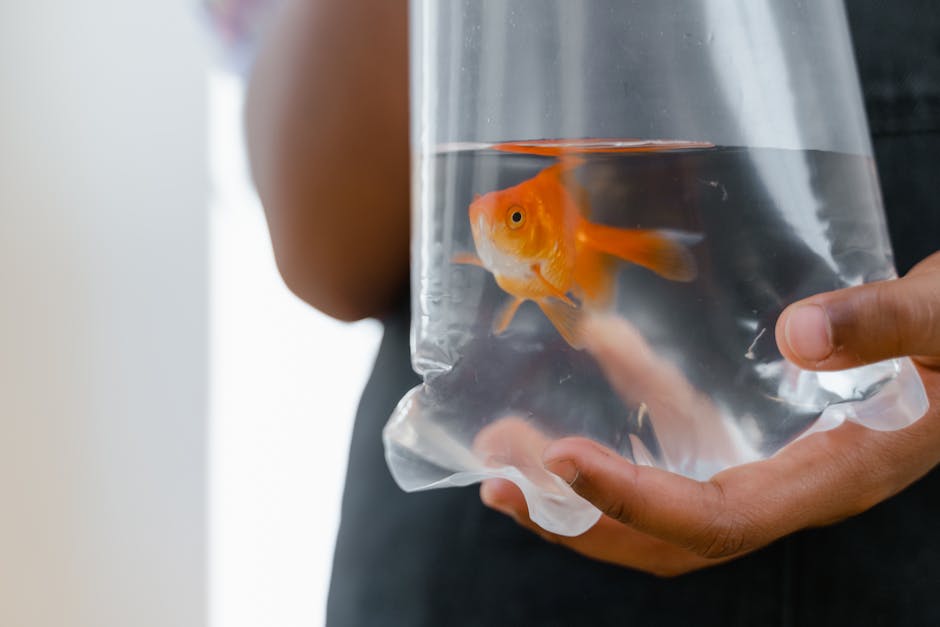
    Aquatic pets, whether they are vibrant tropical fish, delicate seahorses, or graceful turtles, bring a unique sense of tranquility and beauty into our lives. However, caring for these fascinating creatures requires specialized knowledge, dedication, and a deep understanding of their unique needs. Unlike traditional pets, aquatic animals are highly sensitive to changes in water quality, temperature, diet, and environment. Therefore, entrusting their care to a knowledgeable and experienced specialist is crucial for their health and well-being. Whether you are a new aquatic pet owner or a seasoned enthusiast, finding the right local aquatic pet care specialist can make all the difference. This comprehensive guide will walk you through the steps to identify, evaluate, and select the best professional for your aquatic companions.

    Understanding the Role of an Aquatic Pet Care Specialist

    An aquatic pet care specialist is not just a pet sitter or a general veterinarian. These professionals possess specific expertise in the care of fish and other aquatic animals. Their responsibilities may include:

    • Water Quality Management: Monitoring and maintaining pH levels, ammonia, nitrites, nitrates, and other critical parameters.
    • Diet and Nutrition: Providing species-specific diets and ensuring proper feeding schedules.
    • Health and Disease Management: Identifying signs of illness, administering treatments, and performing routine health checks.
    • Habitat Maintenance: Cleaning tanks, managing filtration systems, and ensuring appropriate lighting and temperature.
    • Behavioral Observation: Understanding normal and abnormal behaviors to preempt potential issues.

    Given the complexity of these tasks, it is essential to choose a specialist who is not only passionate but also highly skilled and experienced.

    Steps to Finding the Right Specialist

    1. Research and Compile a List of Candidates

    Start by gathering a list of potential specialists in your local area. Utilize online resources such as:

    • Google Search and Maps: Look for highly rated professionals with positive reviews.
    • Social Media Groups and Forums: Join aquatic pet enthusiast groups on platforms like Facebook or Reddit. These communities often provide valuable recommendations.
    • Local Pet Stores and Aquarium Clubs: Visit or contact local stores and clubs dedicated to aquatic pets. They often have partnerships or can refer trusted specialists.
    • Veterinarian Referrals: Some veterinarians specialize in exotic pets, including aquatic species. They may recommend or even provide care services.
    2. Evaluate Their Credentials and Experience

    Once you have a list, dig deeper into each candidate’s background:

    • Certifications and Training: Look for certifications from recognized institutions such as the World Aquatic Veterinary Medical Association (WAVMA) or similar bodies. Specialists with formal training in aquaculture, marine biology, or veterinary medicine are preferable.
    • Experience: Inquire about their hands-on experience. How long have they been working with aquatic pets? Do they have experience with your specific type of pet (e.g., saltwater fish, freshwater species, turtles)?
    • References and Testimonials: Ask for references from past or current clients. Positive testimonials and case studies can provide insight into their reliability and expertise.
    3. Assess Their Knowledge and Approach

    Arrange a consultation or interview with potential specialists. This interaction can reveal their depth of knowledge and their approach to pet care. Consider asking:

    • How do you handle water quality emergencies, such as sudden spikes in ammonia?
    • What is your experience with diagnosing and treating common aquatic diseases?
    • Can you provide a detailed care plan tailored to my pet’s species and needs?
    • How do you stay updated with the latest advancements in aquatic pet care?

    A competent specialist should answer these questions confidently and provide clear, detailed responses.

    4. Visit Their Facility (If Applicable)

    If the specialist operates from a clinic or facility, schedule a visit. During the visit, observe:

    • Cleanliness and Organization: The facility should be clean, well-organized, and free of odors.
    • Equipment: Check if they use modern and well-maintained equipment for water testing, treatment, and habitat maintenance.
    • Animal Welfare: Observe the condition of the animals under their care. Healthy, active pets are a good sign of quality care.
    5. Discuss Services and Costs

    Understand the range of services offered and the associated costs. Key points to discuss:

    • Routine Maintenance: What does their routine care package include? How often do they perform visits?
    • Emergency Services: Are they available for emergencies? What is their response time?
    • Cost Structure: Is the pricing transparent? Are there any hidden fees? While cost shouldn’t be the sole deciding factor, it is important to ensure the services are within your budget.
    6. Gauge Their Passion and Communication Skills

    A great specialist is not only knowledgeable but also passionate about aquatic life. During your interactions, note:

    • Enthusiasm: Do they show genuine interest in your pets and their well-being?
    • Communication: Are they responsive, clear, and willing to explain complex concepts in understandable terms?
    • Trustworthiness: Do you feel comfortable entrusting your pets to them? Trust your instincts.

    Red Flags to Avoid

    While evaluating specialists, be wary of:

    • Lack of Transparency: Avoid those who are vague about their methods, costs, or experience.
    • Poor Reviews: Consistent negative feedback or a lack of reviews should raise concerns.
    • Unwillingness to Provide References: A reputable specialist should have no issue sharing references.
    • One-Size-Fits-All Approach: Aquatic pets have diverse needs; avoid specialists who do not tailor their services.

    Building a Long-Term Relationship

    Once you select a specialist, focus on building a strong, collaborative relationship. Regularly communicate your pet’s progress and any concerns you may have. A good specialist will welcome your involvement and provide ongoing education to help you become a better pet owner.

    Conclusion

    Choosing the right local aquatic pet care specialist is a decision that requires careful consideration and research. By following the steps outlined above, you can ensure that your aquatic pets receive the highest standard of care, tailored to their unique needs. Remember, the goal is not just to find a service provider but to partner with a dedicated professional who shares your commitment to the health and happiness of your aquatic companions. Investing time in this process will reward you with peace of mind and the joy of seeing your pets thrive in a well-maintained and nurturing environment.

    In the end, the well-being of your aquatic pets depends on the choices you make today. Take the first step towards exceptional care by seeking out a specialist who combines expertise with genuine passion—because your aquatic friends deserve nothing less.


  • Steps for Finding Local Pet Memorial Services

    Steps for Finding Local Pet Memorial Services

    Steps for Finding Local Pet Memorial Services

    Losing a beloved pet is one of the most heart-wrenching experiences a pet owner can face. Our animal companions are more than just pets—they are family members, confidants, and sources of unconditional love. Honoring their memory through a thoughtful and dignified memorial service can provide immense comfort and closure during a time of grief. If you are seeking ways to commemorate your furry friend’s life, here is a comprehensive guide to finding local pet memorial services that align with your emotional needs and preferences.


    Step 1: Acknowledge Your Grief and Intentions

    Before beginning your search, take a moment to reflect on what you hope to achieve through a memorial service. Whether you desire a private ceremony, a communal gathering, or a creative tribute, clarifying your intentions will help guide your decisions. Grieving is a personal process, and there is no right or wrong way to honor your pet.


    Step 2: Research Local Options

    Start by exploring the pet memorial services available in your area. Use online search engines and directories with keywords such as “pet memorial services near me,” “pet cremation services,” or “pet funeral homes.” Social media groups and local community forums can also provide personal recommendations. Additionally, ask your veterinarian for referrals—they often have partnerships with reputable pet memorial providers.


    Step 3: Evaluate Service Types

    Pet memorial services can vary widely. Some common options include:

    • Cremation Services: Individual or communal cremation, with options for urns or keepsakes.
    • Burial Services: Cemetery plots specifically for pets, complete with headstones or markers.
    • Memorial Ceremonies: Organized events where family and friends can gather to share memories.
    • Home Memorials: DIY options such as memory boxes, garden stones, or photo albums.

    Determine which type of service resonates most with you and your family.


    Step 4: Read Reviews and Testimonials

    Once you have a list of potential providers, read reviews and testimonials from other pet owners. Pay attention to comments about compassion, professionalism, and the quality of services rendered. A company with consistently positive feedback is more likely to provide a supportive and respectful experience.


    Step 5: Contact Providers Directly

    Reach out to memorial service providers to ask questions about their offerings, pricing, and process. Inquire about:

    • The range of memorial products available (urns, markers, jewelry).
    • Turnaround time for ashes or remains.
    • Options for personalization.
    • Any religious or cultural accommodations they offer.
    • How they handle emotional support during the process.

    A compassionate and transparent response is a good indicator of a quality service.


    Step 6: Consider Environmental and Ethical Choices

    For those who value sustainability, explore eco-friendly options such as:

    • Biodegradable urns or caskets.
    • Tree-planting memorials.
    • Natural burial grounds that avoid non-biodegradable materials.
      Many providers now offer green alternatives that honor your pet while respecting the planet.

    Step 7: Personalize the Memorial

    A memorial service should reflect your pet’s unique personality and the bond you shared. Consider incorporating:

    • Favorite toys, blankets, or treats.
    • A slideshow of photos or videos.
    • Poems, letters, or music that celebrate your pet’s life.
    • Guest participation for sharing stories.
      Personal touches can make the ceremony more meaningful and healing.

    Step 8: Plan the Logistics

    Depending on the type of service you choose, you may need to:

    • Reserve a venue (e.g., a pet cemetery, park, or your home).
    • Schedule a time that works for loved ones.
    • Arrange for transportation of remains if necessary.
    • Prepare tokens or keepsakes for attendees.
      Having a clear plan will reduce stress and allow you to focus on remembrance.

    Step 9: Allow Yourself to Grieve

    A memorial service is not just about saying goodbye—it is also about acknowledging your loss and beginning the healing process. Give yourself permission to feel and express your emotions. Surround yourself with supportive people who understand the depth of your bond with your pet.


    Step 10: Preserve the Memory

    After the service, find ways to keep your pet’s memory alive. This could include:

    • Creating a dedicated space in your home or garden.
    • Donating to an animal charity in your pet’s name.
    • Writing a journal or blog about your pet’s life.
    • Commissioning artwork or a custom piece of jewelry.
      These acts can provide lasting comfort and a sense of legacy.

    Conclusion

    Finding the right local pet memorial service is a deeply personal journey—one that requires patience, research, and emotional readiness. By following these steps, you can create a tribute that truly honors your pet’s life and offers solace during a difficult time. Remember, it’s not just about saying goodbye; it’s about celebrating the joy, love, and companionship your pet brought into your life. May their memory be a blessing always.

  • How to Locate Local Pet Transportation Services

    How to Locate Local Pet Transportation Services

    How to Locate Local Pet Transportation Services

    As pet ownership continues to rise globally, the need for reliable and safe pet transportation services has become increasingly important. Whether you’re relocating to a new city, planning a vacation with your furry friend, or simply need assistance in getting your pet to the vet, finding a trustworthy local pet transportation service is crucial. This comprehensive guide will walk you through the steps to locate, evaluate, and select the best pet transportation services in your area, ensuring your beloved companion’s journey is as smooth and stress-free as possible.

    Understanding Pet Transportation Services

    Pet transportation services specialize in moving animals from one location to another. These services range from short-distance trips, such as vet visits or local moves, to long-distance or international relocations. They can include ground transport via specially equipped vehicles, air transport, or even specialized services for exotic pets. Understanding the types of services available will help you determine which option best suits your needs.

    Why Use a Professional Pet Transportation Service?

    While it might be tempting to transport your pet yourself, professional services offer several advantages:

    • Safety: Professionals are trained in animal handling and ensure pets are secure during transit.
    • Comfort: Vehicles are often equipped with climate control, comfortable cages, and safety features.
    • Convenience: Save time and effort by relying on experts who manage all aspects of the journey.
    • Stress Reduction: Minimize anxiety for both you and your pet by entrusting the process to experienced handlers.

    Steps to Locate Local Pet Transportation Services

    1. Online Search and Directories

      • Start with a simple online search using keywords like “local pet transportation services,” “pet taxi near me,” or “animal transport [your city].” Search engines like Google can provide a list of nearby options.
      • Utilize online directories such as Yelp, Yellow Pages, or Angie’s List. These platforms often include reviews and ratings from previous customers, giving you insight into the quality of service.
    2. Ask for Recommendations

      • Word-of-mouth referrals are invaluable. Ask your veterinarian, local pet stores, groomers, or fellow pet owners for recommendations. They may have firsthand experience with reliable services.
      • Join local pet owner groups on social media platforms like Facebook or Nextdoor. These communities are often eager to share positive experiences and warn against unsatisfactory services.
    3. Check with Animal Organizations

      • Contact local animal shelters, rescue groups, or breed-specific clubs. These organizations frequently work with pet transporters and can recommend reputable services.
      • Organizations like the American Kennel Club (AKC) or the International Pet and Animal Transportation Association (IPATA) provide directories of certified and experienced pet transporters.
    4. Veterinarian Recommendations

      • Your vet is a trusted source of information. They often know which transportation services adhere to high standards of animal care and safety.
      • Some veterinary clinics even offer or partner with transportation services for routine visits or emergencies.
    5. Review Websites and Testimonials

      • Once you have a list of potential services, visit their websites and read customer testimonials. Look for detailed reviews that mention punctuality, care, and handling of pets.
      • Check third-party review sites like Google Reviews, BBB (Better Business Bureau), or Trustpilot for unbiased feedback.
    6. Verify Credentials and Insurance

      • Ensure the service is licensed and insured. This protects you and your pet in case of accidents or emergencies.
      • Look for certifications from organizations like IPATA, which sets standards for pet transportation professionals.
    7. Evaluate Experience and Specialization

      • Inquire about the company’s experience, especially with your type of pet. Some services specialize in dogs and cats, while others may handle birds, reptiles, or small mammals.
      • Ask if they have experience with specific needs, such as transporting elderly pets, those with medical conditions, or certain breeds.
    8. Request a Consultation

      • Contact the services you’re considering and request a consultation. This can be done via phone, email, or in person. Use this opportunity to ask questions and gauge their responsiveness and professionalism.

    Questions to Ask Potential Pet Transportation Services

    During your consultation, ask the following questions to ensure the service meets your expectations:

    • What is your experience with transporting pets similar to mine?
    • What safety measures do you have in place during transport?
    • How do you handle emergencies or medical issues?
    • Can you provide references from previous clients?
    • What are your fees, and what do they include?
    • How do you ensure pets are comfortable and stress-free during the journey?
    • What vehicles do you use, and are they equipped with climate control?
    • What is your policy on delays or schedule changes?

    Red Flags to Watch Out For

    While researching, be cautious of services that:

    • Avoid providing references or certifications.
    • Have consistently negative reviews or unresolved complaints.
    • Offer prices significantly lower than competitors (which may indicate subpar service).
    • Lack clear communication or seem disorganized.
    • Do not have insurance or proper licensing.

    Preparing Your Pet for Transportation

    Once you’ve selected a service, prepare your pet for the journey:

    • Visit the Vet: Ensure your pet is healthy and up-to-date on vaccinations. Obtain a health certificate if required.
    • Acclimate Your Pet: If your pet will be in a crate, get them used to it beforehand to reduce anxiety.
    • Pack Essentials: Provide the transporter with your pet’s food, water, medications, and familiar items like toys or blankets.
    • Provide Detailed Instructions: Share any special care instructions, feeding schedules, or medical needs with the transporter.

    Conclusion

    Finding a reliable local pet transportation service requires thorough research and careful consideration. By leveraging online resources, seeking recommendations, and asking the right questions, you can identify a service that prioritizes your pet’s safety and comfort. Remember, the goal is to ensure your furry, feathered, or scaled family member arrives at their destination happily and healthily. With the right preparation and choice, pet transportation can be a seamless and positive experience for both you and your beloved companion.

  • Tips for Choosing Local Animal Behavior Specialists

    Tips for Choosing Local Animal Behavior Specialists

    Tips for Choosing Local Animal Behavior Specialists

    When our beloved pets exhibit behavioral issues—whether it’s excessive barking, aggression, anxiety, or destructive habits—it can be deeply concerning. These behaviors often stem from underlying physical, emotional, or environmental factors that require professional intervention. While trainers can teach basic commands, animal behavior specialists delve into the root causes of problematic behaviors and develop tailored modification plans. Selecting the right specialist is crucial to your pet’s well-being and your peace of mind. Here’s a comprehensive guide to help you make an informed decision.


    1. Understand the Difference Between Trainers and Behaviorists

    It’s essential to distinguish between a dog trainer and an animal behaviorist. Trainers typically focus on obedience and skills, using positive reinforcement to shape specific actions. Behaviorists, on the other hand, are experts in the science of animal behavior. They often hold advanced degrees in ethology, veterinary medicine, or psychology and are equipped to address complex issues like fear, trauma, or compulsive disorders. If your pet’s issue is rooted in emotion or instinct, a behavior specialist is the appropriate choice.


    2. Verify Credentials and Education

    Reputable behavior specialists possess relevant certifications and education. Look for professionals with credentials such as:

    • CAAB (Certified Applied Animal Behaviorist): Requires a master’s or doctoral degree in behavior science.
    • ACAAB (Associate Certified Applied Animal Behaviorist): Requires a master’s degree.
    • Veterinary Behaviorists: These are veterinarians who have completed additional residency and board certification in behavior medicine (DACVB).
    • CPDT-KA or CBCC-KA: Certification for trainers and behavior consultants who have passed rigorous exams, though these are more common among trainers than clinical behaviorists.

    Always ask about their academic background, continuing education, and professional affiliations, such as membership in the International Association of Animal Behavior Consultants (IAABC) or the Animal Behavior Society (ABS).


    3. Evaluate Their Experience and Specialization

    Experience matters profoundly in behavior modification. Inquire about:

    • How long they’ve been practicing
    • Their experience with your specific animal species and breed
    • Cases similar to yours they’ve successfully handled
    • Their familiarity with your pet’s particular issue (e.g., separation anxiety, aggression, phobias)

    Some specialists focus on dogs and cats, while others work with birds, rabbits, or even exotic animals. Choose one whose expertise aligns with your needs.


    4. Assess Their Methods and Philosophy

    Ethical behavior specialists use force-free, science-based methods that prioritize the animal’s welfare. Avoid those who rely on punitive tools like shock collars, alpha rolls, or intimidation—these can exacerbate fear and aggression. During an initial consultation, ask:

    • What techniques they use for behavior modification?
    • How do they incorporate positive reinforcement?
    • Do they consider medical contributors to behavior problems?
    • How do they involve the owner in the process?

    A good specialist will emphasize empathy, patience, and collaboration.


    5. Request References and Read Reviews

    Testimonials and references from previous clients can provide valuable insights. Look for:

    • Online reviews on Google, Yelp, or Facebook
    • Case studies or success stories on their website
    • Willingness to provide references upon request

    Pay attention to comments about the specialist’s professionalism, effectiveness, and ability to build trust with both pets and owners.


    6. Schedule a Consultation

    Most behavior specialists offer initial consultations—use this opportunity to evaluate their approach and rapport with your pet. Observe:

    • Do they listen carefully to your concerns?
    • Do they ask detailed questions about your pet’s history, environment, and routine?
    • How do they interact with your animal? Are they calm, patient, and respectful?
    • Do they provide a clear, structured plan moving forward?

    This meeting will help you gauge whether they’re a good fit for your family.


    7. Consider Collaboration with Your Veterinarian

    Behavior problems can sometimes stem from medical issues. Pain, thyroid imbalances, neurological conditions, and other health problems can manifest as aggression or anxiety. A skilled behavior specialist will recommend a veterinary exam to rule out underlying medical causes and may work closely with your vet to develop a holistic treatment plan, which might include medication, supplements, or environmental changes.


    8. Discuss Their Process and Timeline

    Understanding the specialist’s methodology and expected timeline is crucial. Ask:

    • How many sessions are typically needed?
    • What will each session entail?
    • What “homework” or exercises will you need to practice between visits?
    • How do they measure progress?

    Be wary of anyone who promises instant fixes—behavior modification requires time, consistency, and patience.


    9. Evaluate Costs and Logistics

    Costs for behavior consultations can vary widely based on location, expertise, and case complexity. Ask about:

    • Fees for initial and follow-up sessions
    • Package deals or sliding scale options
    • Availability for virtual consultations (which can be effective and convenient)
    • Cancellation policies

    While cost is a factor, prioritize quality and compatibility over price alone.


    10. Trust Your Instincts

    Finally, trust your intuition. You and your pet should feel comfortable and respected. The right specialist will not only have the knowledge and skills but also show genuine compassion for animals and a commitment to empowering owners.


    Conclusion

    Choosing a local animal behavior specialist is a significant decision that can profoundly impact your pet’s quality of life—and yours. By taking the time to research credentials, methods, and reputations, you can find a knowledgeable and empathetic professional who will guide you and your pet toward a happier, healthier relationship. Remember, seeking help is a sign of love and responsibility—a step toward understanding and supporting your furry friend in the best way possible.

  • How to Find Local Pet Insurance Agents

    How to Find Local Pet Insurance Agents

    How to Find Local Pet Insurance Agents

    As a pet owner, ensuring the health and well-being of your furry companion is undoubtedly a top priority. From regular check-ups to unexpected emergencies, veterinary care can be costly. This is where pet insurance comes into play, offering financial protection and peace of mind. However, navigating the world of pet insurance can be overwhelming, with numerous providers, policies, and fine print to consider. This is where local pet insurance agents can be invaluable. They provide personalized guidance, help you compare options, and ensure you select a plan that best suits your pet’s needs and your budget. But how do you find a reliable local agent? This comprehensive guide will walk you through the process step by step.

    Why Choose a Local Agent?

    Before diving into the how-to, it’s important to understand why working with a local pet insurance agent can be beneficial. While online comparisons and direct purchases from insurance companies are convenient, local agents offer a human touch and expertise that digital platforms often lack. They can:

    1. Provide Personalized Service: Local agents take the time to understand your specific situation, including your pet’s breed, age, health history, and your financial constraints.
    2. Offer Expert Advice: They are well-versed in the intricacies of various policies and can explain terms, conditions, and exclusions in simple language.
    3. Simplify Comparisons: Instead of sifting through countless online reviews and policy documents, an agent can present you with tailored options side by side.
    4. Assist with Claims: Should you need to file a claim, your agent can guide you through the process, ensuring it is handled efficiently.
    5. Build Long-Term Relationships: Unlike faceless online services, a local agent is someone you can build a relationship with, relying on them for ongoing support and advice.

    Steps to Finding a Local Pet Insurance Agent

    1. Start with Recommendations

    Word of mouth is one of the most reliable ways to find a trustworthy agent. Ask fellow pet owners—friends, family, neighbors, or colleagues—if they have worked with a local pet insurance agent and about their experiences. You can also reach out to local pet-related communities on social media platforms like Facebook or Nextdoor. Additionally, your veterinarian is an excellent resource. Vets often have insights into which insurance plans are most accepted and beneficial, and they may recommend agents they trust.

    2. Utilize Online Directories and Reviews

    The internet is a powerful tool for finding local services. Use online directories such as Yelp, Google My Business, or the Better Business Bureau (BBB) to search for pet insurance agents in your area. These platforms often include reviews and ratings from previous clients, giving you a sense of the agent’s reputation. Pay attention to comments about responsiveness, knowledge, and overall customer satisfaction. You can also visit the websites of major pet insurance providers like Nationwide, ASPCA, or Healthy Paws, as they often have agent locator tools that allow you to find representatives near you.

    3. Attend Local Pet Events

    Community events such as pet fairs, adoption drives, or veterinary workshops are great places to meet insurance agents. Many agents set up booths at these events to network with pet owners and promote their services. This gives you the opportunity to speak with them face-to-face, ask questions, and gauge their expertise and professionalism. Keep an eye on event listings in your local newspaper, community boards, or pet organization websites.

    4. Contact Professional Associations

    Professional associations like the Independent Insurance Agents & Brokers of America (IIABA) or the National Association of Professional Pet Sitters (NAPPS) may have directories of licensed agents specializing in pet insurance. These organizations often require members to adhere to ethical standards, providing an added layer of credibility. You can visit their websites or contact them directly for referrals.

    5. Schedule Consultations

    Once you have a shortlist of potential agents, schedule consultations with them. This can be done over the phone, via video call, or in person. Prepare a list of questions to ask, such as:

    • How long have you been specializing in pet insurance?
    • Which insurance providers do you work with?
    • Can you explain the differences between accident-only, wellness, and comprehensive plans?
    • How do you handle claims support?
    • What are your fees? (Most agents are compensated by commissions from insurance companies, but it’s good to confirm.)
    • Can you provide references from other pet owners?

    A good agent will be patient, transparent, and willing to educate you without pushing for a sale.

    6. Verify Credentials and Experience

    Ensure that the agent is licensed to sell insurance in your state. You can verify this through your state’s department of insurance website. Additionally, check their experience with pet insurance specifically. While many agents sell multiple types of insurance, those who focus on pet insurance will likely have deeper knowledge and more relevant insights.

    7. Evaluate Their Communication Style

    Effective communication is key to a successful agent-client relationship. During your interactions, note how responsive and clear the agent is. Do they follow up promptly? Do they explain complex terms in a way you understand? Are they attentive to your concerns? Choose someone who makes you feel comfortable and valued.

    8. Consider Their Network of Providers

    A well-connected agent often has access to a wide range of insurance products. Ask which companies they represent and whether they offer policies from multiple providers. This ensures you get unbiased recommendations rather than being limited to one company’s options.

    9. Review Sample Policies

    Request sample policies for the plans they recommend. Take your time to read through the coverage details, exclusions, deductibles, reimbursement levels, and waiting periods. Your agent should be able to highlight key points and answer any questions you have.

    10. Trust Your Instincts

    Finally, trust your gut feeling. If an agent seems dismissive, overly aggressive, or unclear, it might be best to look elsewhere. You want someone who genuinely cares about your pet’s well-being and your peace of mind.

    Red Flags to Watch Out For

    • Pressure to Decide Quickly: A reputable agent will give you time to make an informed decision.
    • Lack of Transparency: Avoid agents who are vague about fees, policy terms, or their affiliations.
    • Negative Reviews: Multiple complaints about poor service or unresponsiveness are warning signs.
    • Limited Options: Be wary if an agent only offers plans from one provider without explaining why.

    The Bigger Picture: Why Pet Insurance Matters

    Beyond finding an agent, it’s important to understand the value of pet insurance. With advances in veterinary medicine, pets are living longer, healthier lives—but treatments for illnesses like cancer or diabetes can cost thousands of dollars. Insurance helps mitigate these costs, allowing you to focus on your pet’s care rather than financial stress. Policies can cover everything from accidents and illnesses to routine wellness visits, depending on the plan. By working with a local agent, you ensure that you choose coverage that aligns with your pet’s needs and your lifestyle.

    Conclusion

    Finding the right local pet insurance agent requires effort, but the rewards are well worth it. From personalized service to expert guidance, an agent can simplify the complex world of pet insurance and help you make the best choice for your beloved companion. By following the steps outlined above—seeking recommendations, using online resources, attending events, and conducting thorough interviews—you’ll be well on your way to securing reliable coverage. Remember, investing time in finding the right agent is an investment in your pet’s health and your peace of mind. So take the first step today, and ensure your furry friend gets the protection they deserve.